Get Expert IT Solutions For Your Business – Natural Group

-91 9090909090

support@nscspl.in

PostgreSQL

  • PostgreSQL is a powerful, open-source relational database management system that uses SQL (Structured Query Language) to store, manage, and manipulate data. It supports all standard SQL operations such as creating, reading, updating, and deleting data — known as CRUD operations. In addition to standard SQL features, PostgreSQL offers advanced capabilities like support for JSON, custom data types, and complex queries, making it ideal for both traditional and modern data-driven applications.

  • PostgreSQL is one of the most advanced open-source database systems in the data world, trusted by developers and organizations of all sizes — from startups to large enterprises. It serves as a powerful platform for managing and interacting with data, combining the reliability of traditional SQL databases with modern features that support complex applications and data-driven innovation.

  • PostgreSQL remains a cornerstone of modern data management. Whether you’re developing web applications, managing enterprise-level systems, or handling complex analytics, PostgreSQL provides a reliable, scalable, and feature-rich foundation for structured and unstructured data. Its flexibility, standards compliance, and powerful extensions make it an essential tool for developers, data engineers, and IT professionals alike.
  • PostgreSQL is used to develop a Management Information System (MIS) application that will operate across multiple banks, ensuring secure, efficient, and scalable data management for critical financial operations.

PostgreSQL Structure

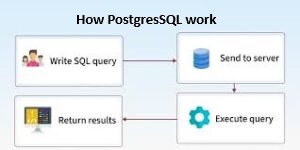
  • Write PostgreSQL Query
    The process begins when a user or an application writes a PostgreSQL SQL command, such as SELECT, INSERT, UPDATE, or DELETE.
    This query defines what data to retrieve, insert, modify, or remove within the PostgreSQL database.

  • Send to PostgreSQL Server
    Once the query is written, it’s sent to the PostgreSQL server, which is responsible for managing all database operations and client connections.
    PostgreSQL supports multiple client interfaces (like psql, APIs, or applications) that communicate with the server using the PostgreSQL protocol.

  • Execute Query
    The database server parses and executes the SQL query. It checks for syntax errors, validates permissions, and accesses the necessary tables or indexes to perform the required operation efficiently.

  • Return Results
    After execution, the server sends the results back to the user or application.

    • For a SELECT query, it returns the requested data.

    • For INSERT, UPDATE, or DELETE, it returns a message showing the number of rows affected or confirmation of success.
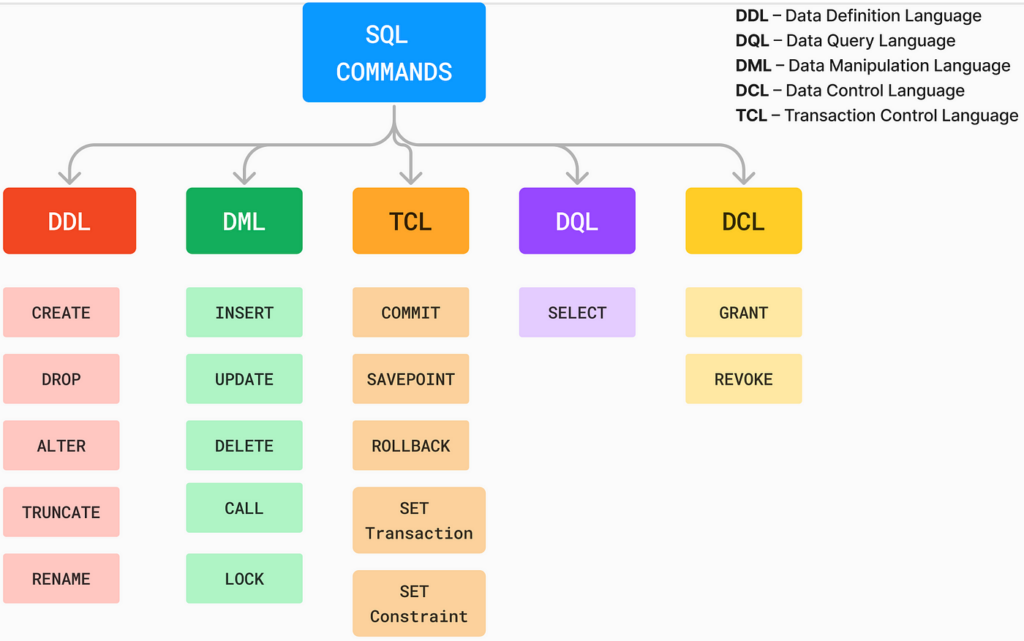
Component of PostgreSQL

Why PostgresSQL is Important

💾 Data Storage

  • PostgreSQL stores all application data in structured tables.

Efficiency

  • PostgreSQL retrieves and processes large amounts of data quickly

🔒 Security

  • Access control ensures only authorized users can modify data

🔁 Consistency

  • Transactions keep data consistent even after errors.

🔁 Universality

  • PostgreSQL works with all major databases and technologies.

PostgreSQL Server Archtecture

  • The PostgreSQL Server services and components include:

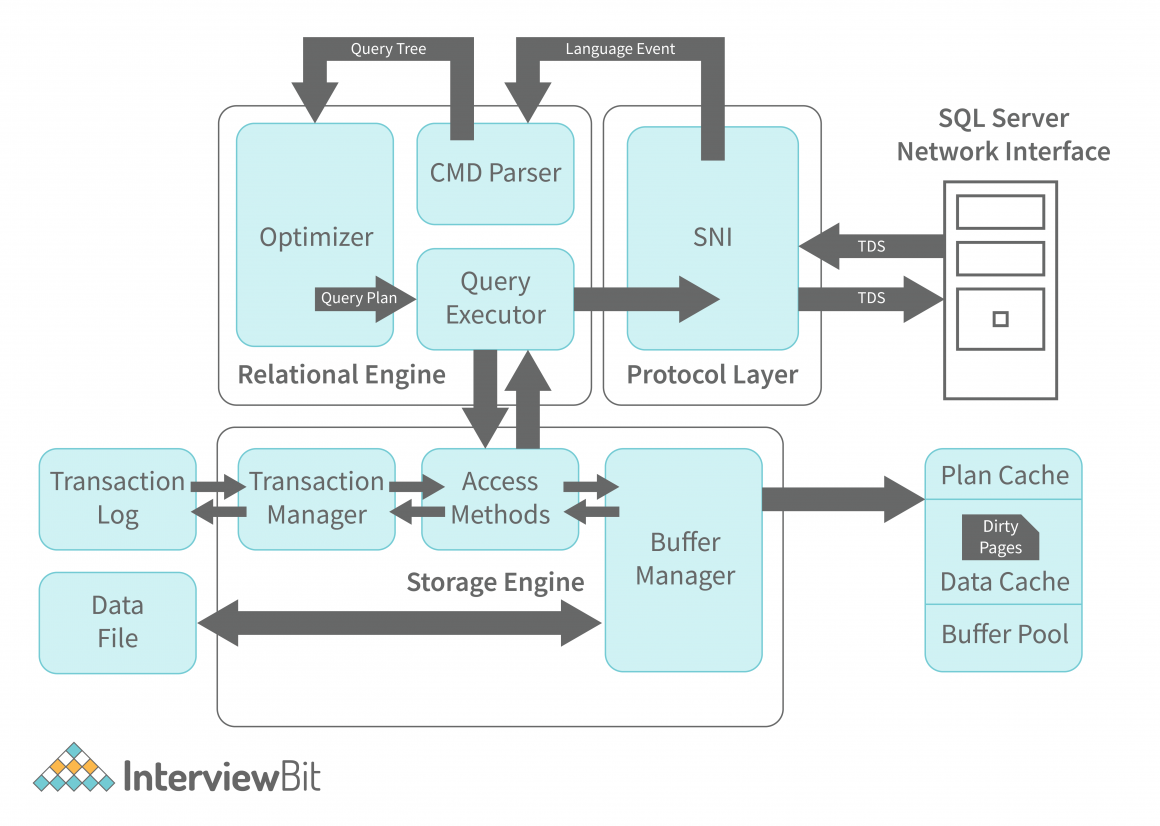
    • Data storage, data security, and efficient transaction processing are the responsibilities of the PostgreSQL database engine. It manages access to data files, enforces ACID compliance, and executes SQL queries.
    • PostgreSQL server instances can be started, stopped, or restarted using command-line tools such as pg_ctl or managed as system services. The main server process is called postgres..
    • tasks can be scheduled using the pg_cron extension or external tools such as the system’s cron (on Linux/Unix) or Task Scheduler (on Windows). These tools support both on-demand and time-based task automation.
    • The PostgreSQL Server Browser connects incoming requests to the requested PostgreSQL server instance. Its executable name is sqlbrowser.exe.
    • PostgreSQL provides integrated full-text search functionality, allowing users to efficiently search and index textual data stored in tables. This feature is built into the database engine and does not require a separate executable.
    • When the PostgreSQL server is not operating, backups and restores can be performed using utilities such as pg_basebackup, pg_dump, pg_dumpall, and pg_restore. Physical backups can also be created by copying the PostgreSQL data directory ($PGDATA) while the server is stopped.
    • PostgreSQL supports advanced analytics and procedural programming using extensions such as PL/pgSQL, PL/Python, and PL/R. These allow developers to create sophisticated analytical and statistical applications directly within the database.

Technology Stack

Looking for a solid software development partner?

Find out how we can help you

Call Now Button