Get Expert IT Solutions For Your Business – Natural Group
Solutions
eHR (HRMS)
e-MAPS (ERP)
Edusys
Banking Products & Services
Core Banking Sysytem
MIS Product
Internet & Mobile Banking
AML
About Us
Services
Technology
Company
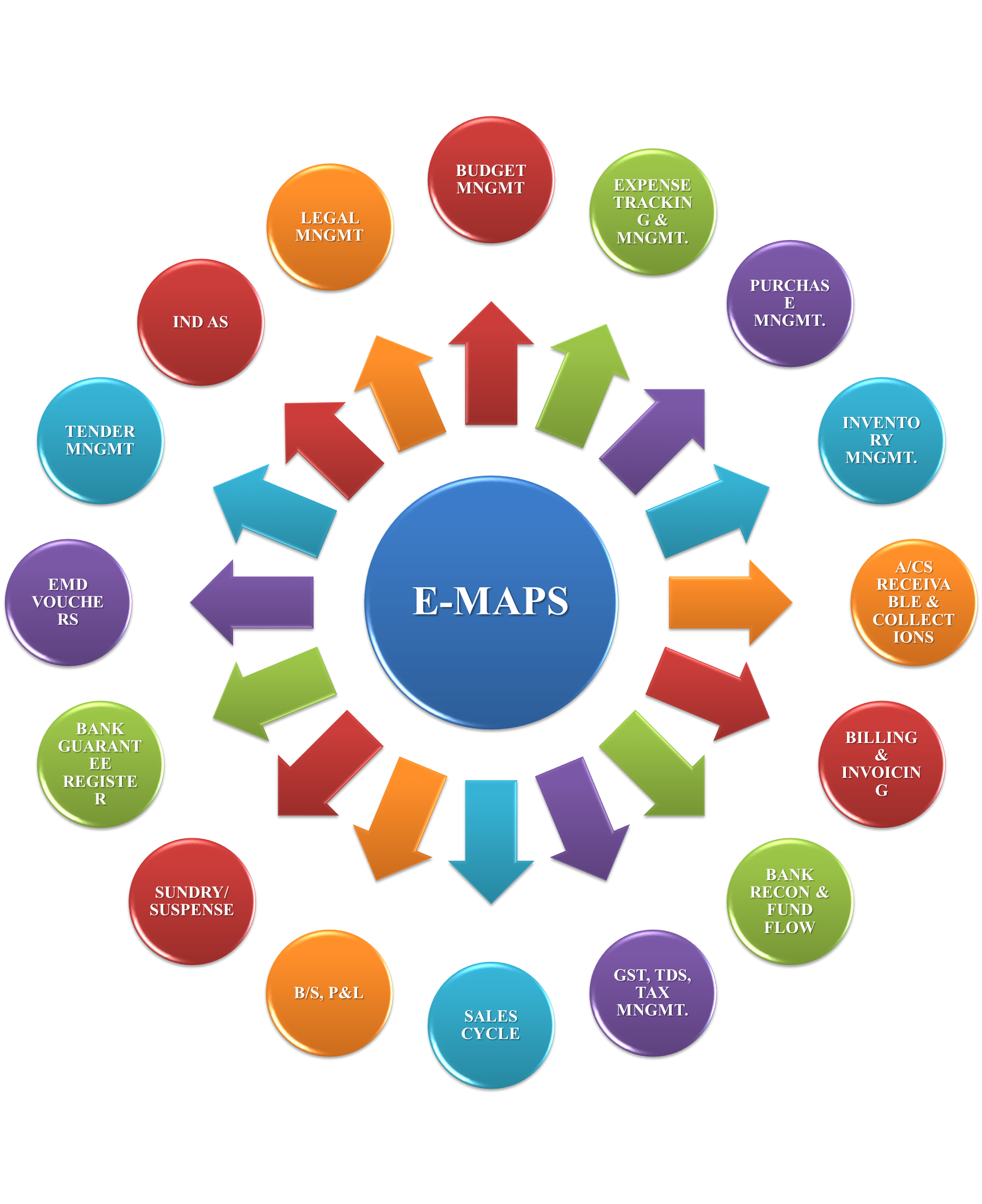
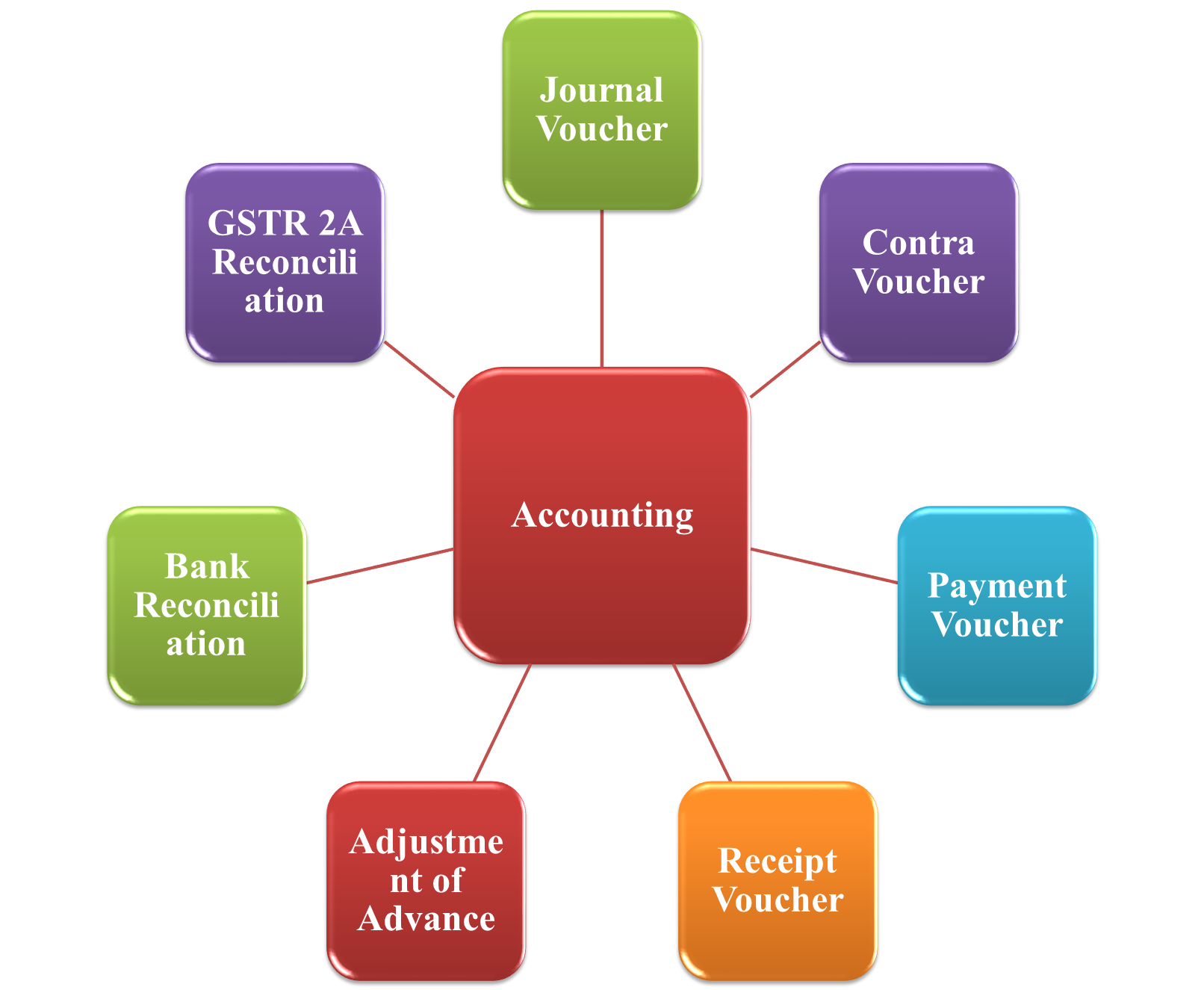
ERP is the lifeline for any organization. e-MAPS, provides Budget Management, Fund Management, Accounting, Inventory, Purchase and Sale Management, AR and AP, Taxation (TDS and GST), Bank, Stock and beyond.
Budget Management
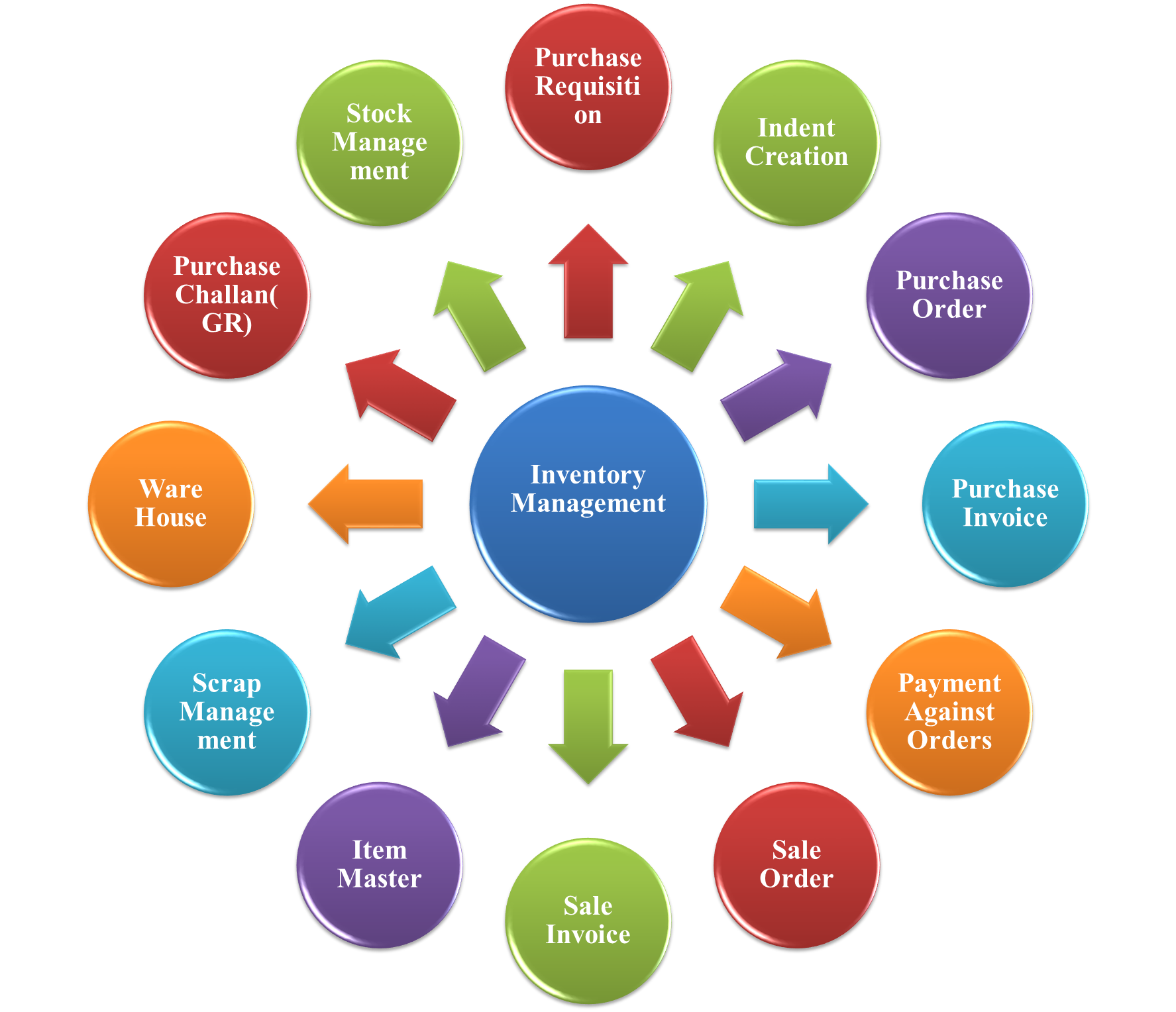
Inventory Management
Purchase of inventory /Fixed Asset / Consumables, Invoices for Artist Stock Maintenance Issue of stock to:
Transfer of stock between offices taking care of GST Issue of Stock to Fixed Asset:
Stock / Fixed Asset to:
Fund Flow, Taxes and Recon:
Sales Management
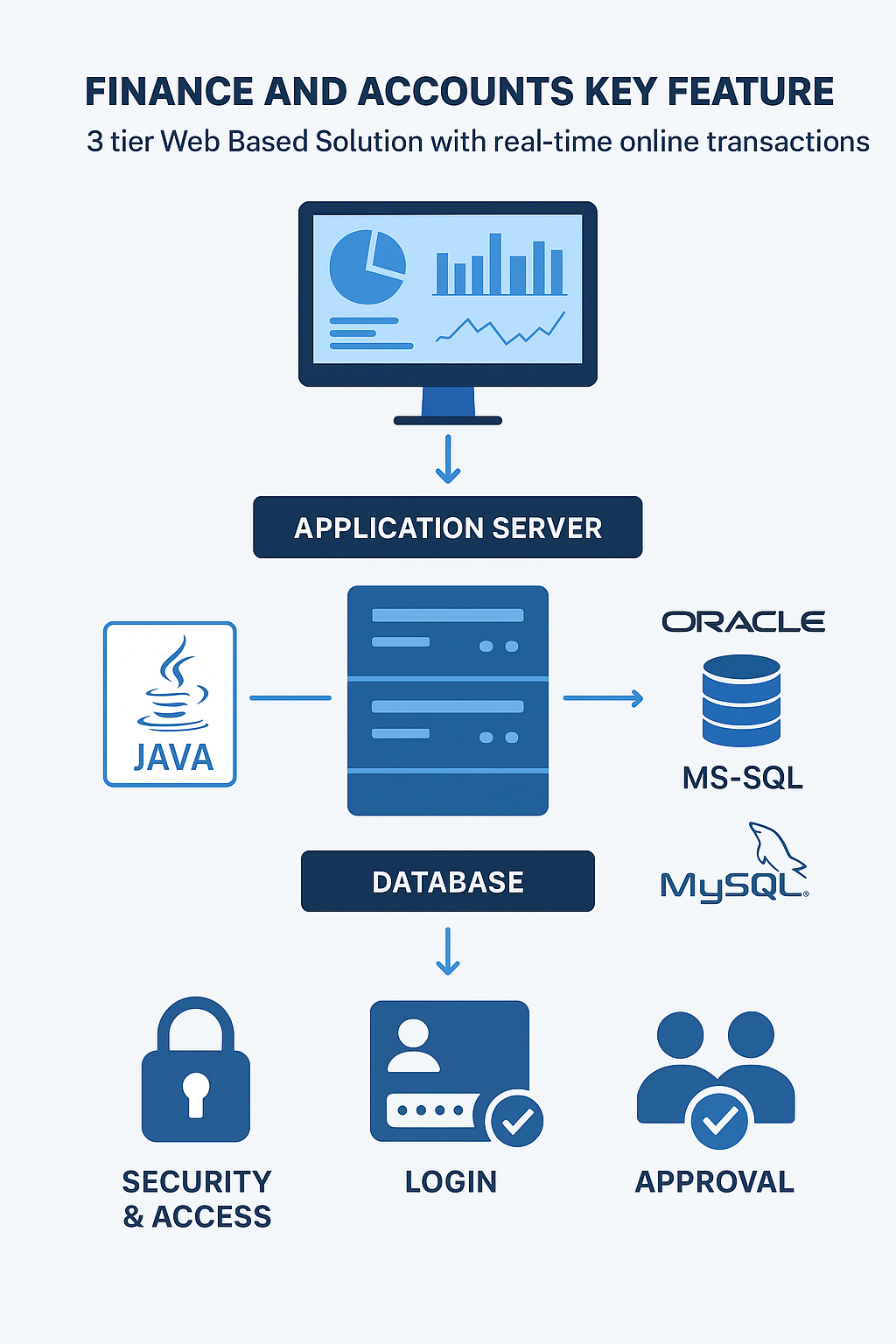
3 tier Web based Solution with real time on line transactions.
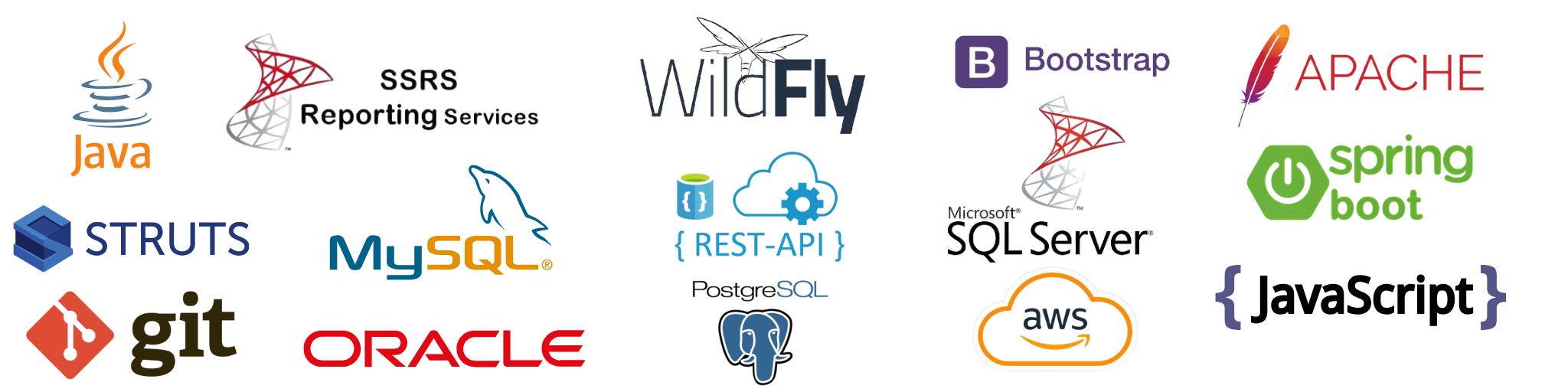
Built on scalable technology with robust functionality (JAVA) .
Security features:
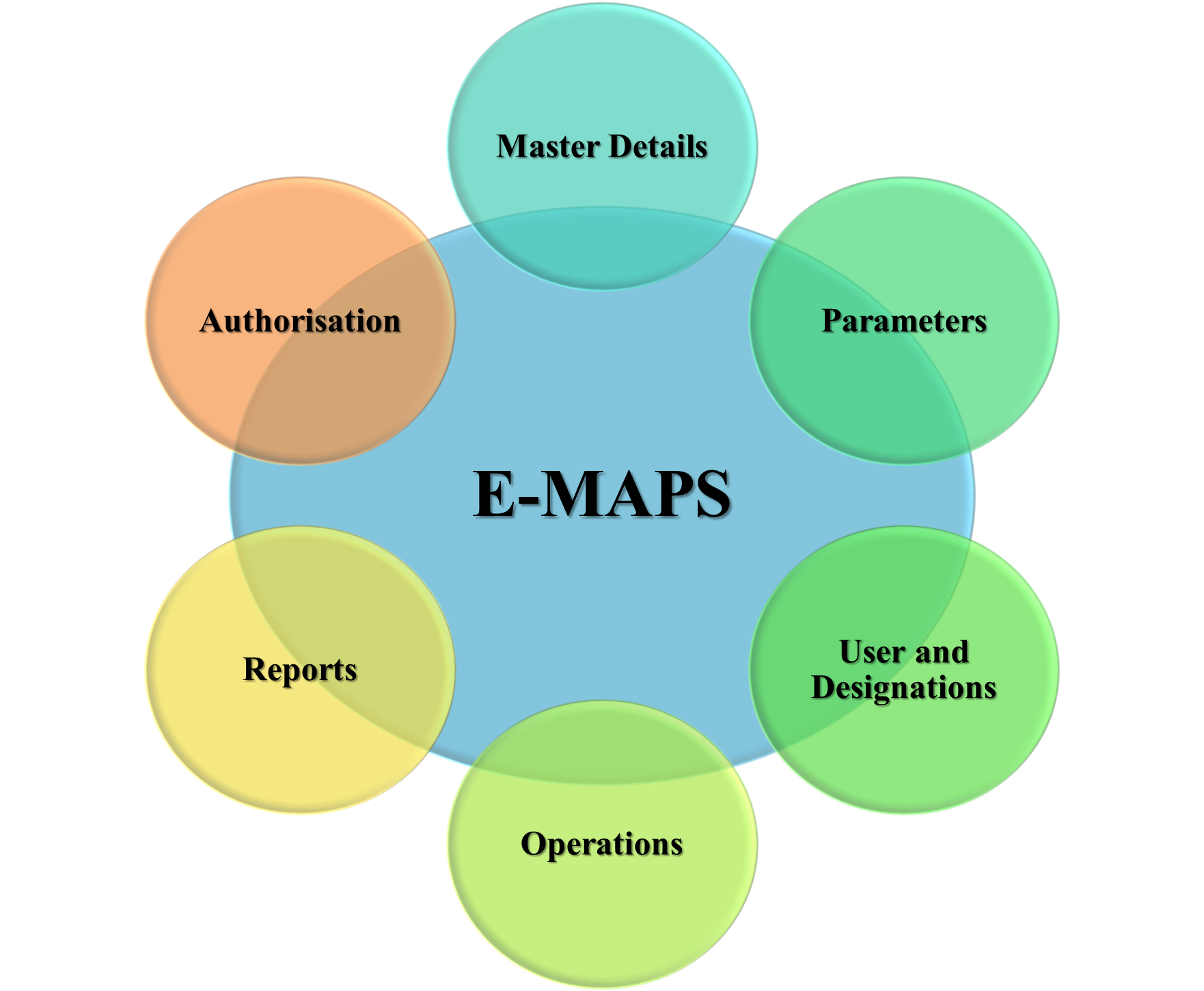
Master Data Creation in E-MAPS provides a centralized process for creating and managing key business entities and their attributes, ensuring data consistency and accuracy for all modules.
Key Features:
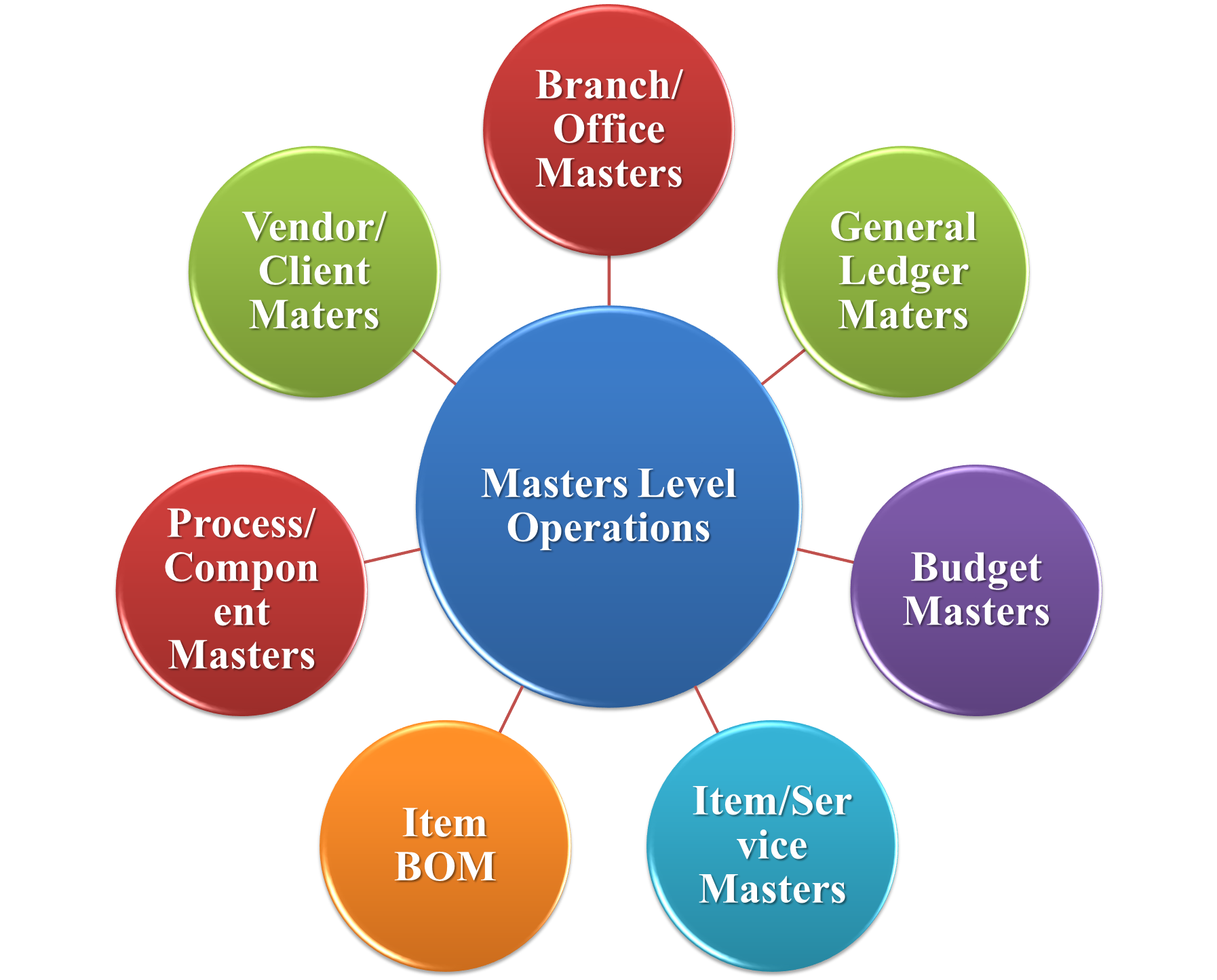
Master Level Operations in E-MAPS refer to the core operational master data that drives the daily functioning and transactions within the system. This encompasses essential master categories vital for business processes.
Content of Master Level Operations
Indent Creation: Consolidates multiple requisitions into a formal indent for purchase processing.
Purchase Order: Generates approved orders to vendors specifying items, quantities, and delivery schedules.
Purchase Invoice: Records supplier invoices and links them with corresponding purchase orders and challans.
Payment Against Invoices: Handles vendor payments based on approved invoices and goods receipt records.
Sale Order: Captures customer orders with item details, pricing, and delivery timelines.
Sale Invoice: Creates invoices for goods sold, automatically updating stock and financial ledgers.
Item Master: Maintains centralized item records including specifications, units, and categorizations.
Scrap Management: Tracks and disposes of unusable or obsolete inventory items in a controlled manner.
Warehouse: Manages multiple storage locations, bin tracking, and stock transfers.
Purchase Challan (GR):Records receipt of goods from vendors and updates stock in real time.
Stock Management: Monitors item availability, stock levels, and valuation with real-time updates across all locations.
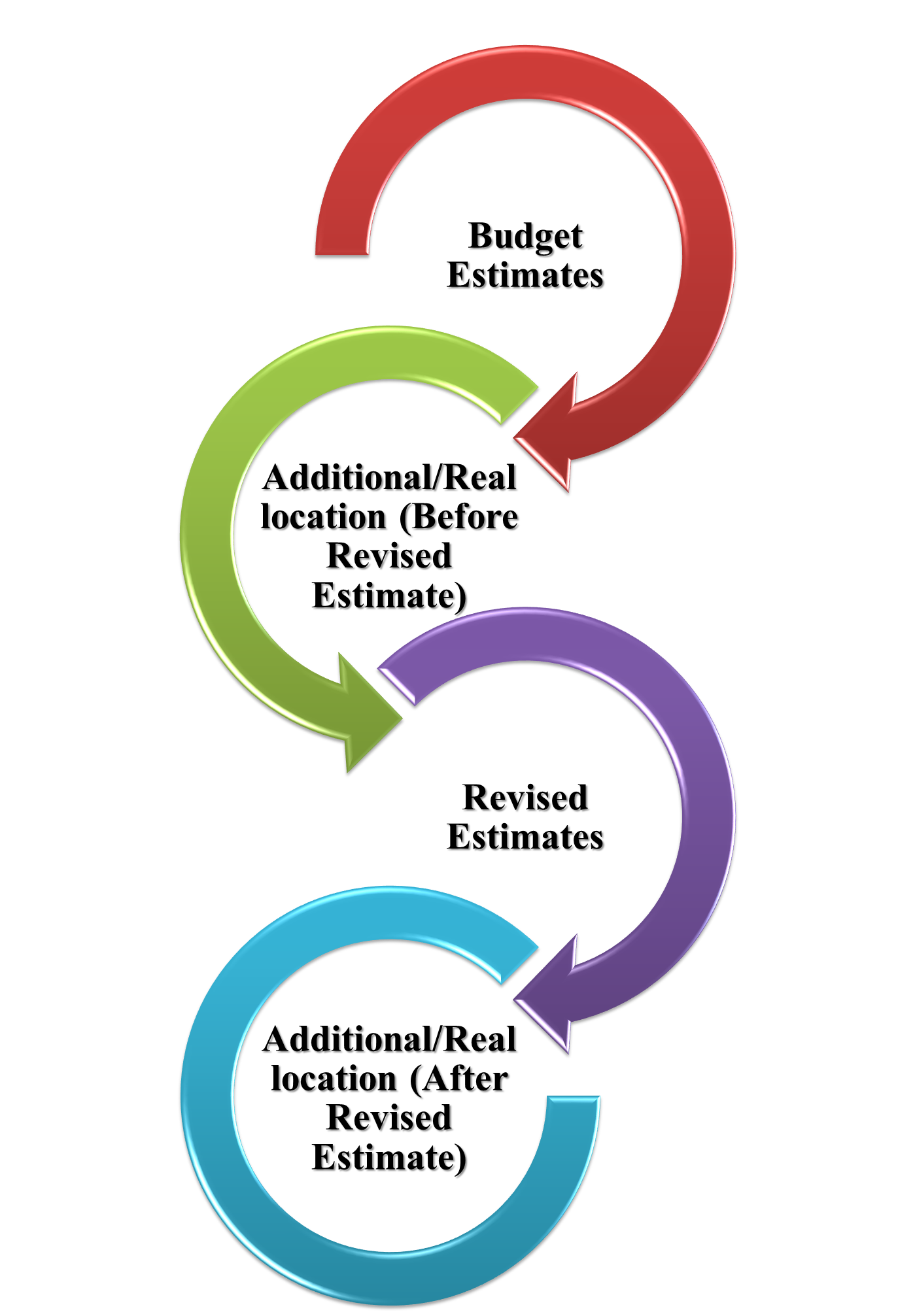
Budget Estimates: Prepare annual estimates based on planned activities and expenditure forecasts.
Additional/Reallocation (Before Revised Estimate): Manage fund adjustments or reallocations prior to mid-year review.
Revised Estimates: Update financial plans based on actual spending trends and revised priorities.
Additional/Reallocation (After Revised Estimate): Reallocate remaining funds to ensure optimal utilization before year-end.
Edit Budget Estimates: Revise initial budget projections to reflect updated organizational needs.
Edit Reallocations (Before Revised Estimate): Make corrections or adjustments to pre-revised fund distributions.
Edit Revised Estimates: Amend revised budget figures based on final expenditure outcomes.
Edit Reallocations (After Revised Estimate): Fine-tune allocations after final budget revision for better fund management
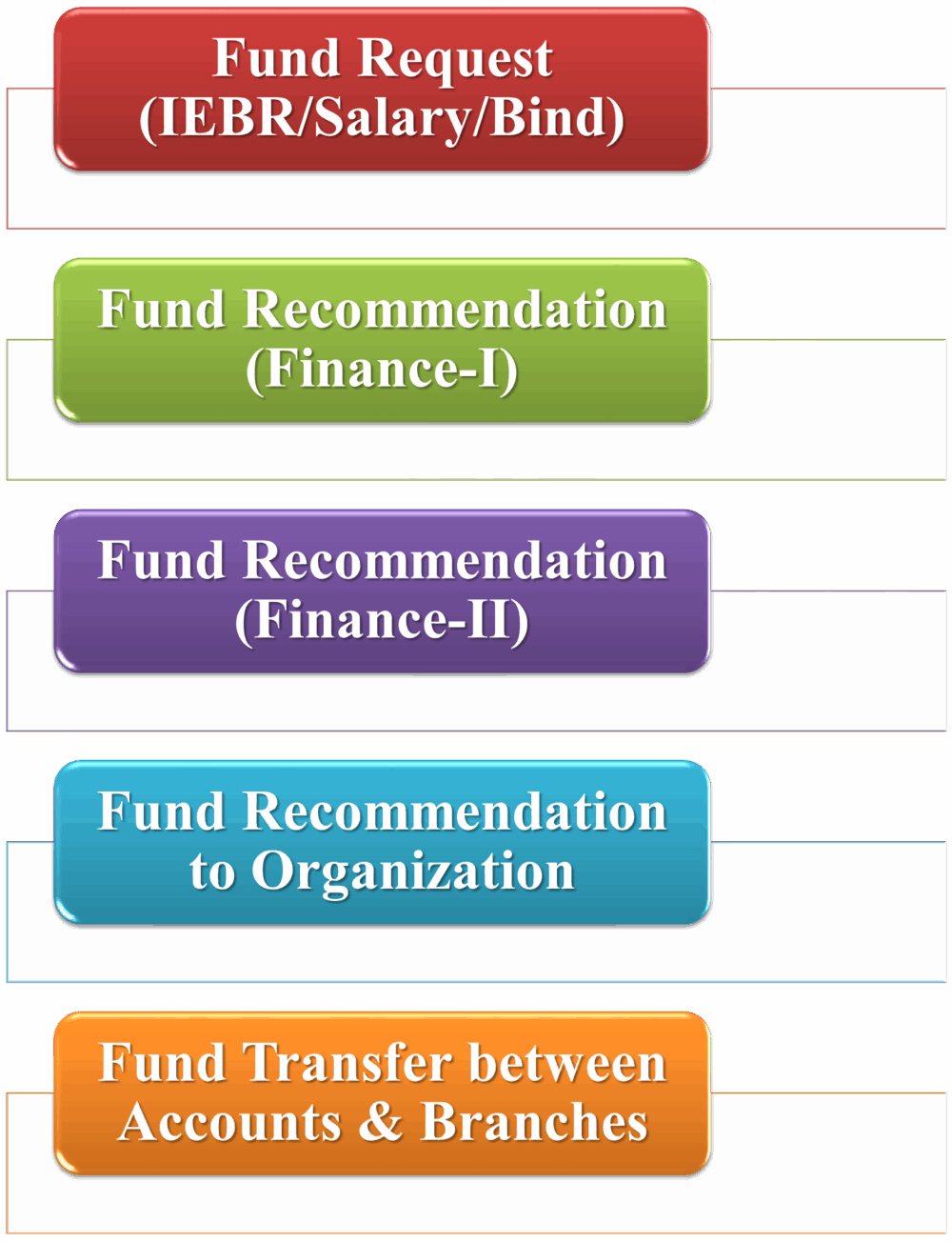
Fund Request (IEBR/Salary/Bind):
Initiate fund requests for different categories like IEBR, Salary, or Bind with proper justification.
Fund Recommendation (Finance-I):
First-level financial review and recommendation of fund requests based on budget availability.
Fund Recommendation (Finance-II):
Second-level financial validation and approval ensuring compliance with allocation limits.
Fund Recommendation to Organization:
Final recommendation and submission of approved fund requests to the concerned organization.
Fund Transfer between Accounts & Branches:
Seamless transfer of approved funds across accounts or branches with full audit tracking.
GST Outstanding: Monitor pending GST liabilities and dues for timely compliance.
GST Output: Track total GST collected on sales and outward supplies.
GST Input: View GST paid on purchases to manage input credit efficiently.
Payment Made: Review all payments processed against various expenses or liabilities.
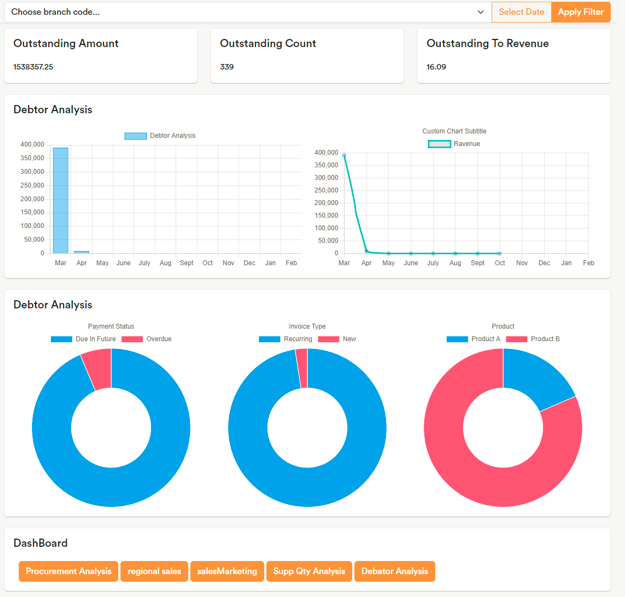
Claim Outstanding Balance: Identify and reconcile pending claims across departments.
TDS Outstanding Balance: Check deducted but unpaid TDS amounts to ensure timely remittance.
Salary Outstanding Balance: Track unpaid or pending salary obligations.
Accounts Receivable Outstanding: Monitor pending customer payments to improve cash flow.
Accounts Payable Outstanding: Manage dues owed to vendors for better financial planning.
Staff Outstanding Balance (Imprest): Keep track of advances given to staff and pending settlements.
MSME Outstanding Balance: Monitor payments due to MSME vendors to comply with statutory timelines.
MSME Overdue Balance: Highlight overdue MSME payments to avoid penalties.
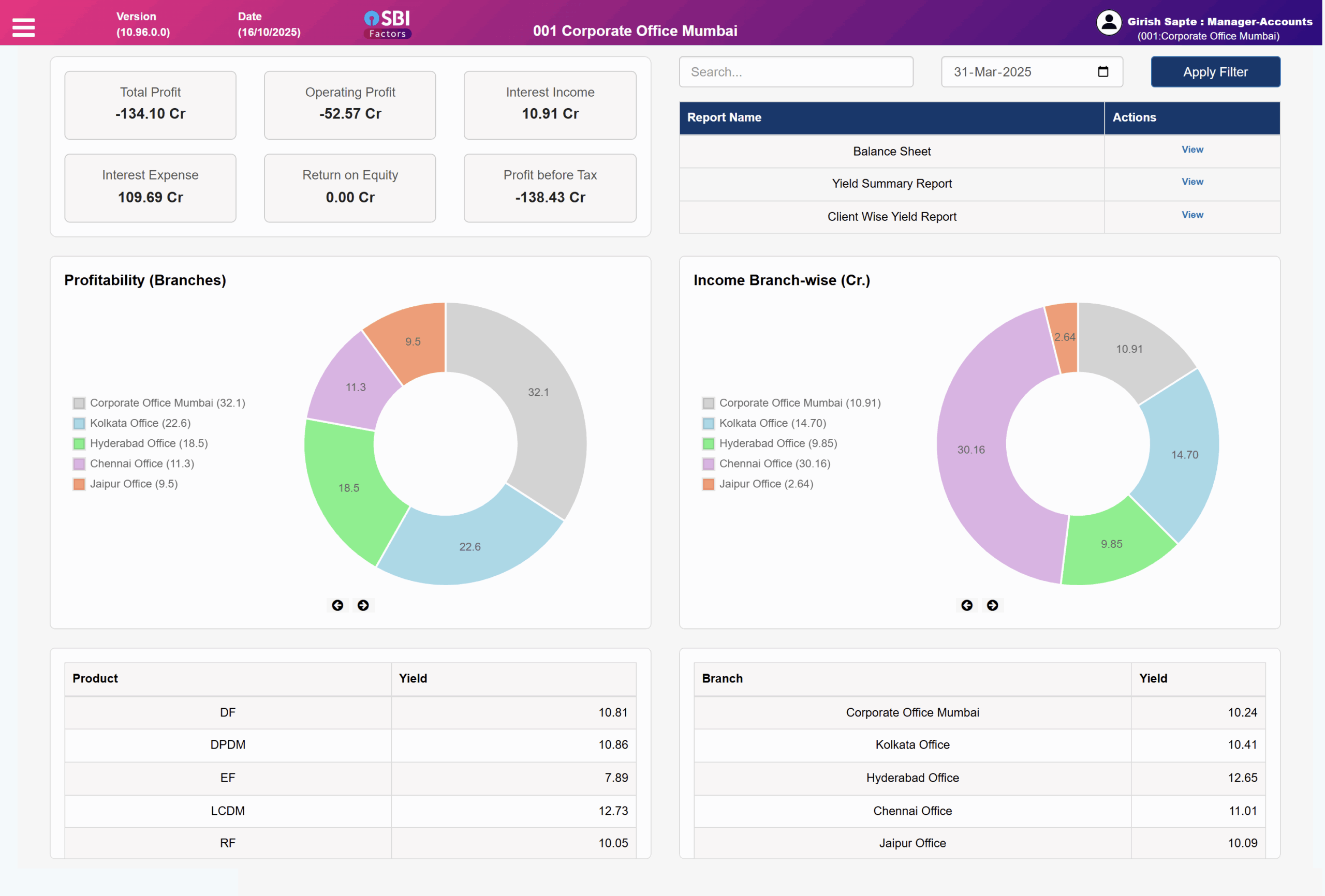
Total Profit: View overall profitability across the organization.
Operating Profit: Analyze profit generated from core operational activities.
Interest Income: Track revenue earned through interest on deposits or investments.
Interest Expense: Record and monitor interest paid on borrowings and loans.
Return on Equity: Evaluate business performance through equity-based profitability.
Profit Before Tax: Review financial performance before taxation impact.
Balance Sheet: Get a real-time snapshot of assets, liabilities, and equity.
Trial Balance: Verify accounting accuracy through consolidated debit-credit summary.
Day Book Reports: View day-to-day financial transactions across all vouchers.
Account Head Ledger: Access detailed ledgers for each account head for audit and analysis

WhatsApp us